
Youth and Family
One Flesh: In Praise of Monogamy
Training Course in Guadarrama for Family Ministry Workers in Spain
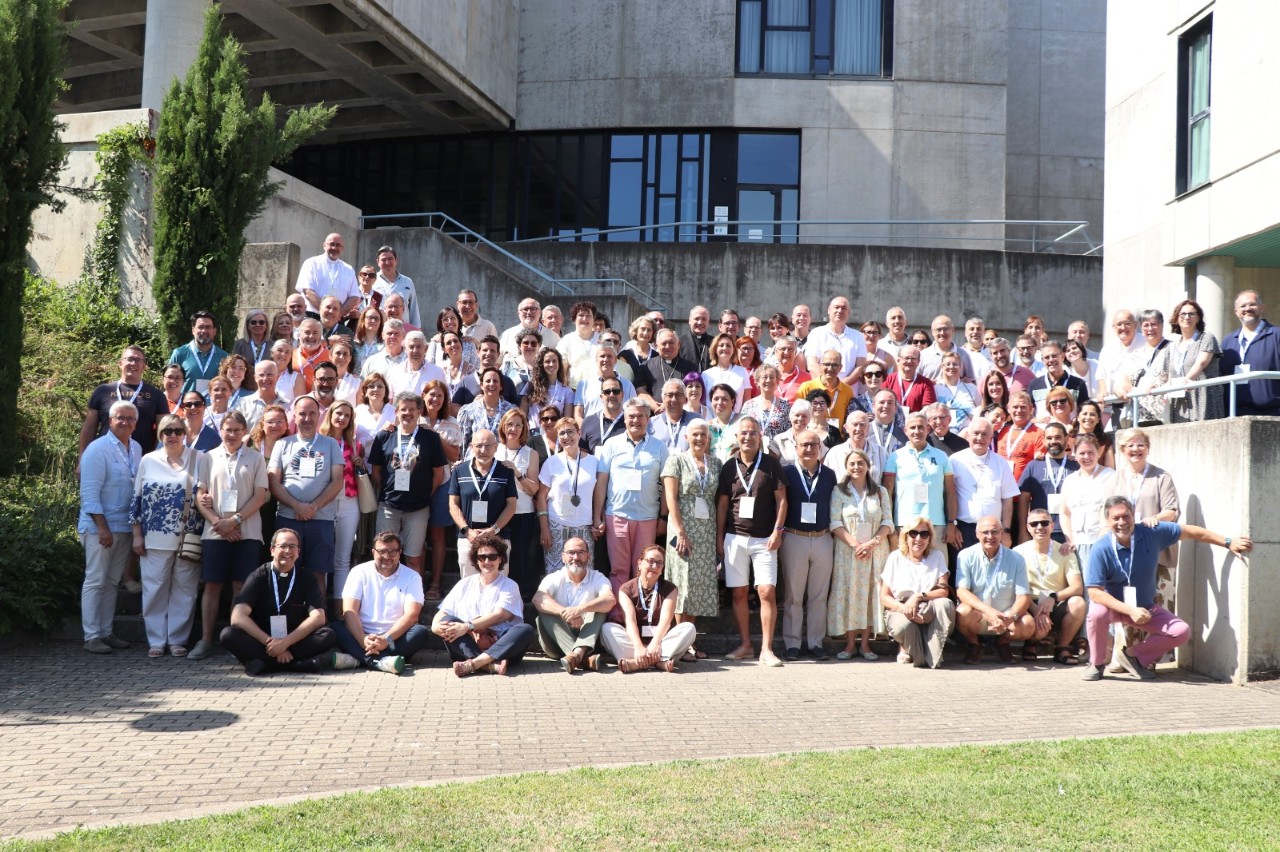
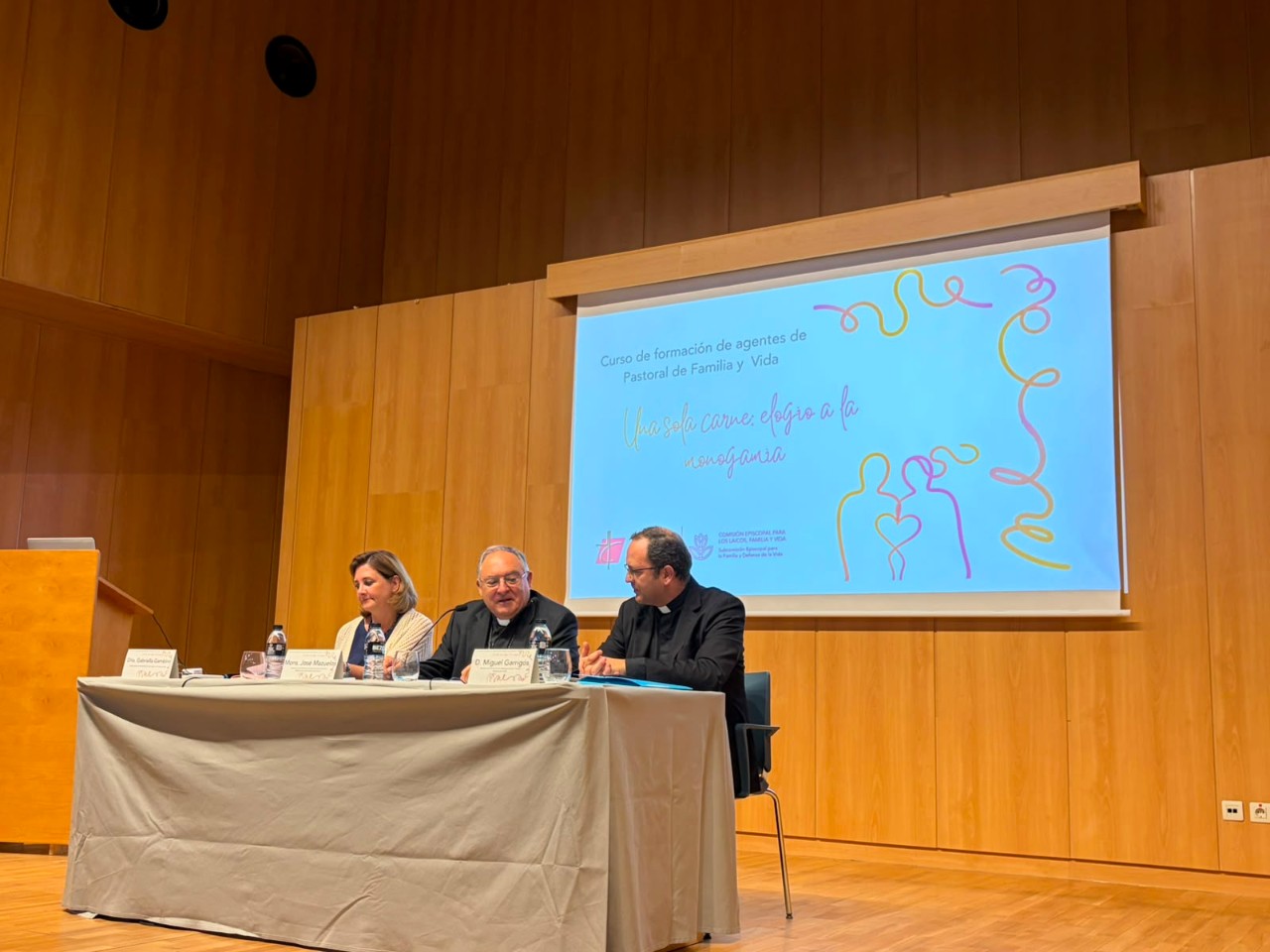
A training course for family ministry workers from Spanish dioceses, titled “One Flesh: In Praise of Monogamy,” took place in Guadarrama (Madrid) from July 9 to 12, 2026. The initiative was sponsored by the Spanish Episcopal Conference and organized by the Episcopal Commission for the Laity, the Family, and Life and the Episcopal Subcommission for the Family and the Care for Life.
The course aimed to explore in depth the doctrinal note “One Flesh.” In Praise of Monogamy, issued by the Dicastery for the Doctrine of the Faith, on the importance of marriage, within the context of the development and an increasingly integrated application of the document “Catechumenal Itineraries for Married Life”. In this context, the work already undertaken by the Subcommission to implement these itineraries in the Spanish dioceses was also presented.
Gambino: Marital fidelity is a central dimension of the Christian proclamation of marriage to young people
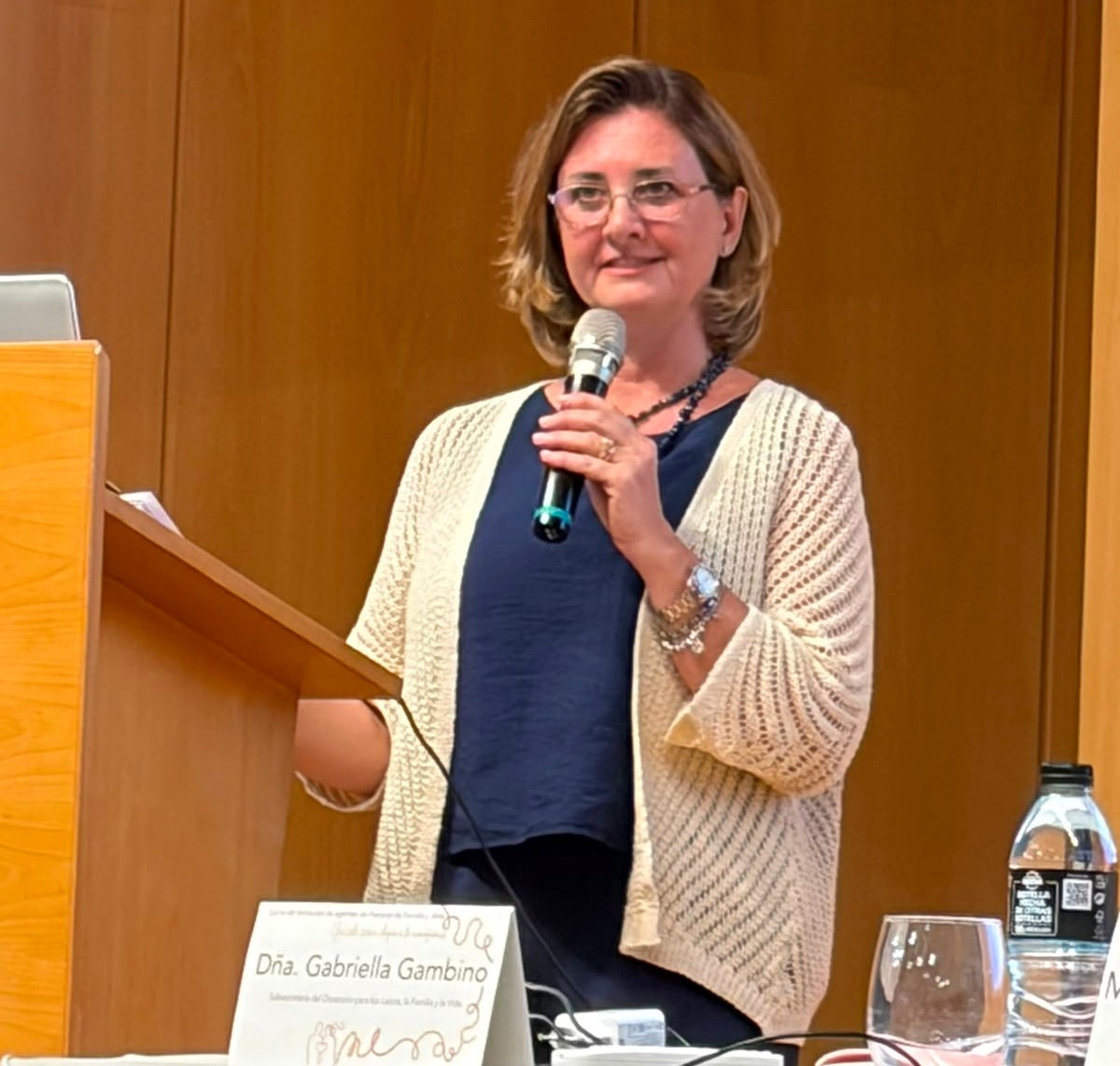
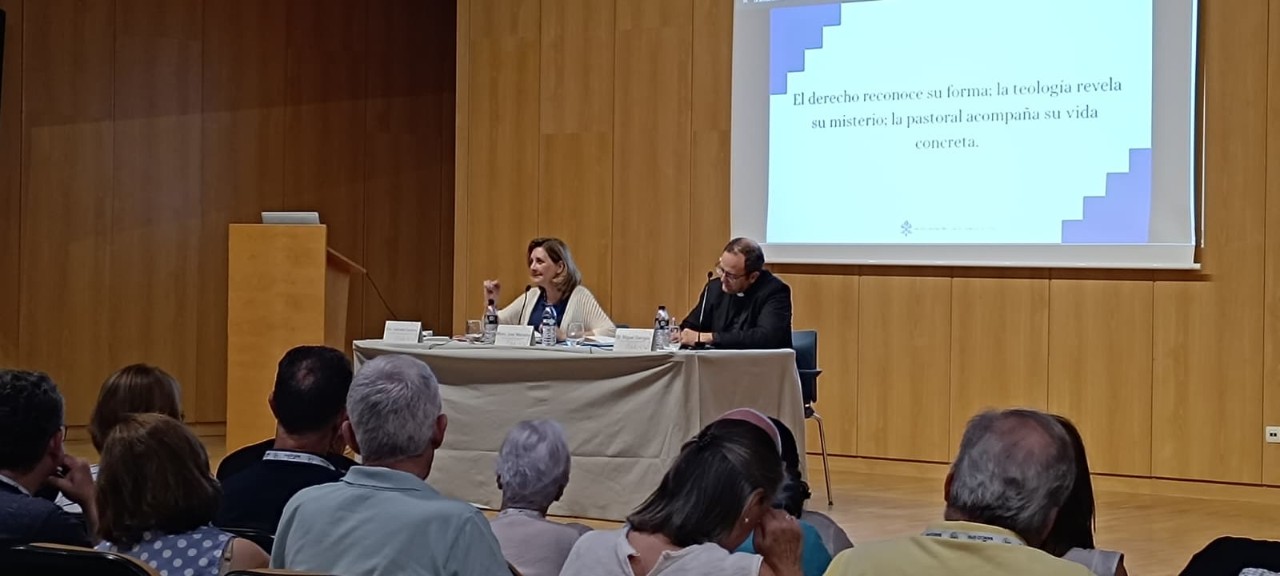
The proceedings were introduced by Bishop José Mazuelos Pérez of the Canary Islands, President of the Subcommission for the Family. Professor Gabriella Gambino, Undersecretary of the Dicastery for the Laity, Family, and Life, presented a report titled “The Beauty of Faithful Love: Proclaiming the Gospel of Marriage Today”. In her address, she offered a reflection on conjugal fidelity as a central dimension of the Christian message of marriage for young people today, structuring her remarks into four points: the legal significance of the bond, what distinguishes it from mere cohabitation, and the pastoral interpretation of this significance; fidelity as a sacramental mystery, rooted in God’s own fidelity; the anthropological dynamic of faithful love, which matures over time, from emotional attraction to a stable and definitive promise; and finally, the relationship between fidelity and faith in marriage and the indispensability of faith itself to make fidelity possible.
The Extraordinary Humanizing Power of Fidelity
In family ministry, speaking to young people about marital fidelity is one of the greatest challenges: not because they do not desire a “love that lasts forever and is exclusive”—all lovers desire this—but because they no longer fully understand what it means or what it entails to remain faithful. For this reason, we must have the courage today to try to restore fidelity to its most authentic form, showing that it is not a limitation, but “one of the highest forms of human freedom”—the freedom to give oneself and to entrust one’s future to the beloved. Fidelity, he explained, is not a rule to be defended, but a human and spiritual good to be rediscovered: “It is the promise that safeguards love, gives it a home, and enables it to become history.” Proclaiming fidelity, therefore, means demonstrating its capacity to generate bonds, trust, and stability. It implies the whole person’s involvement: affection, reason, body, freedom, and will. For this reason, fidelity “has an indispensable anthropological significance and an extraordinary humanizing power, capable of fully developing the human person.”
Other speakers at the course included: Sonia Ortega, professor of Sacred Scripture at San Dámaso University in Madrid; Father José Miguel Granados Temes, a priest of the Archdiocese of Madrid and professor at the same university; Fernando Vidal, of the Pontifical University of Comillas and director of the University Institute of the Family; and María Álvarez de las Asturias, director of the Coincidir Institute for Personal and Family Guidance.
17 July 2026
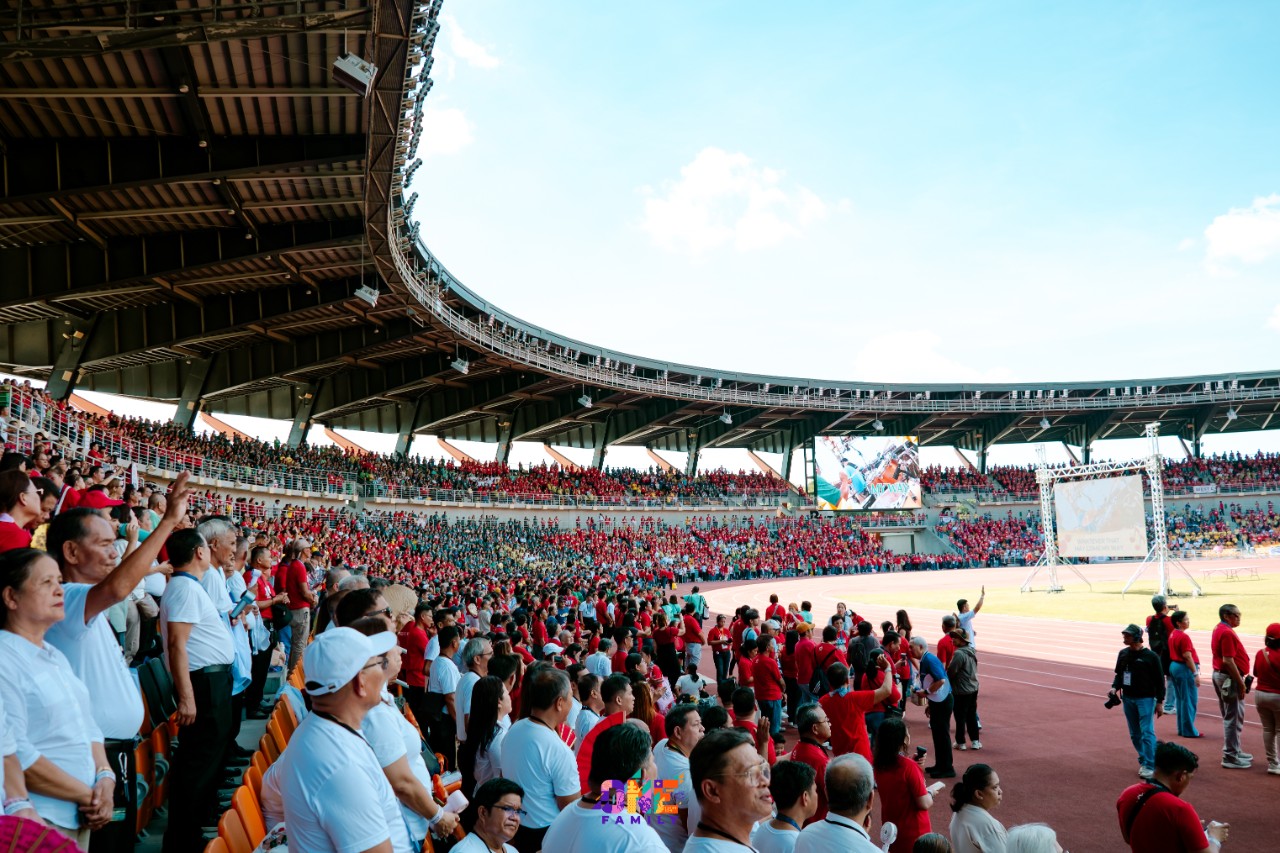
In the One We Are One
His Excellency Monsignor Dario Gervasi, ...
Read all >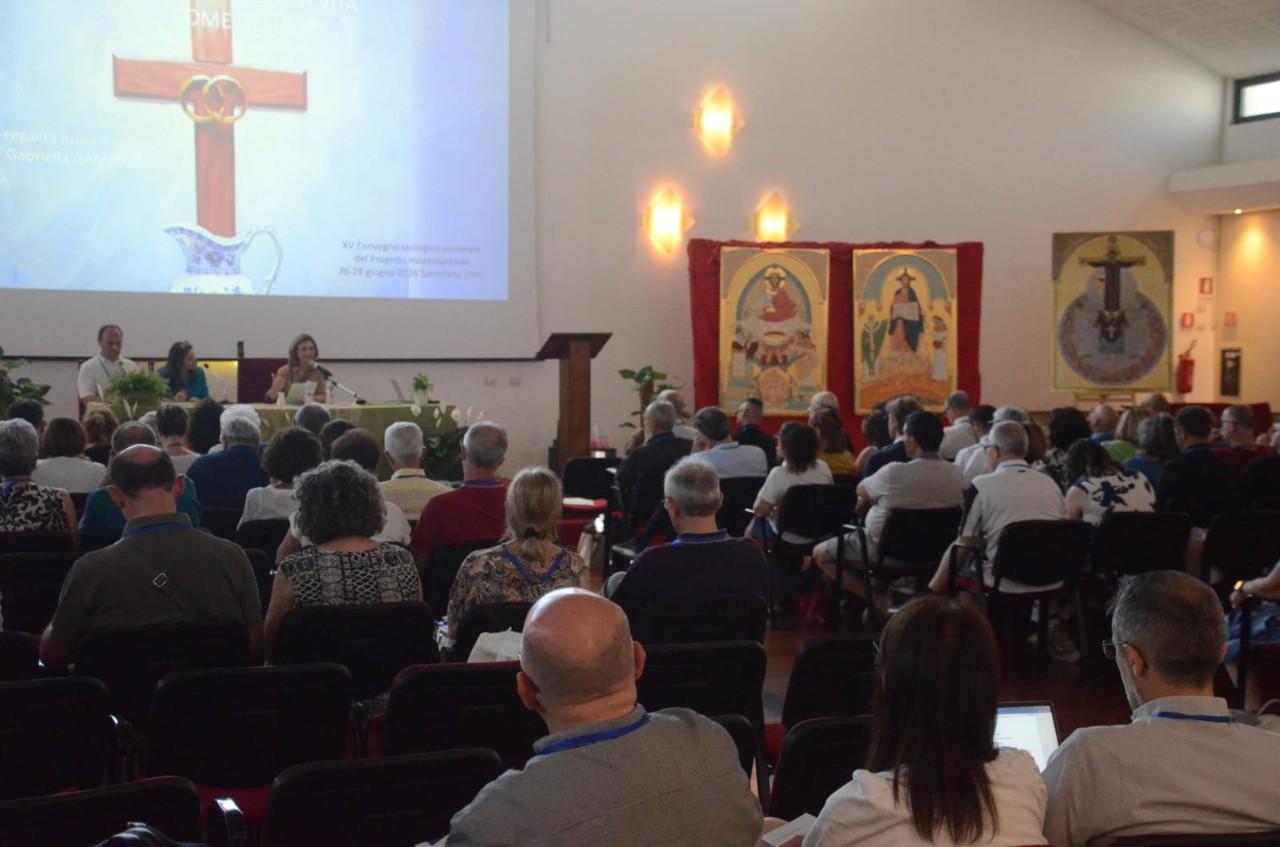
15th “Mistero Grande” Conference on the Kingship of the Spouses
The 15th “Mistero Grande” ...
Read all >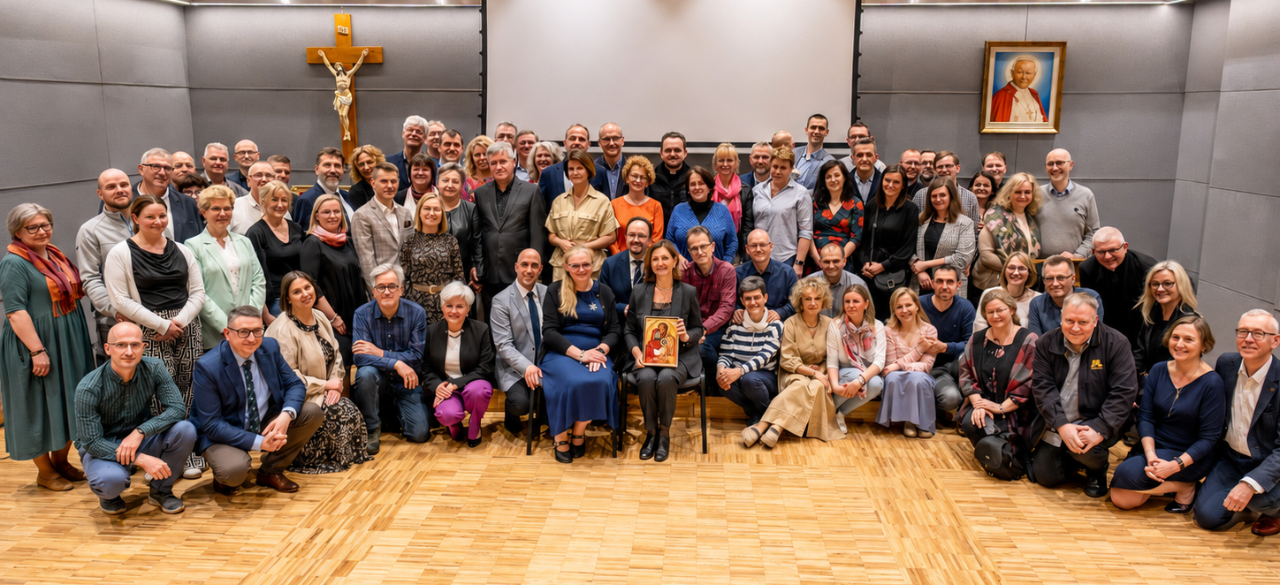
Life is always a good: Under-Secretary Gambino’s visit to Poland
Gabriella Gambino, Undersecretary of the ...
Read all >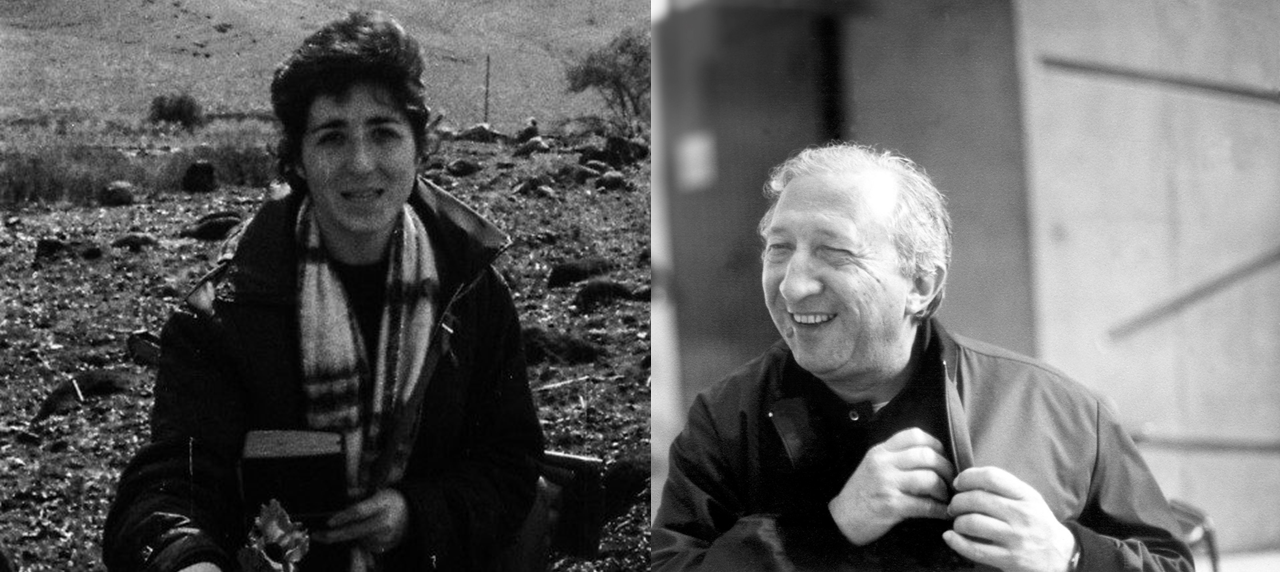
Don Giussani and Carmen Hernández: Diocesan Phases of Beatification Processes Concluded
On the Solemnity of the Ascension of the ...
Read all >