
Marriage and Family
Marriage and faith: a meeting at the Casina Pio IV on the formation of future pastors
An ecclesial reflection on marriage, faith and the munus docendi: the focus was on the formation of priests for family ministry
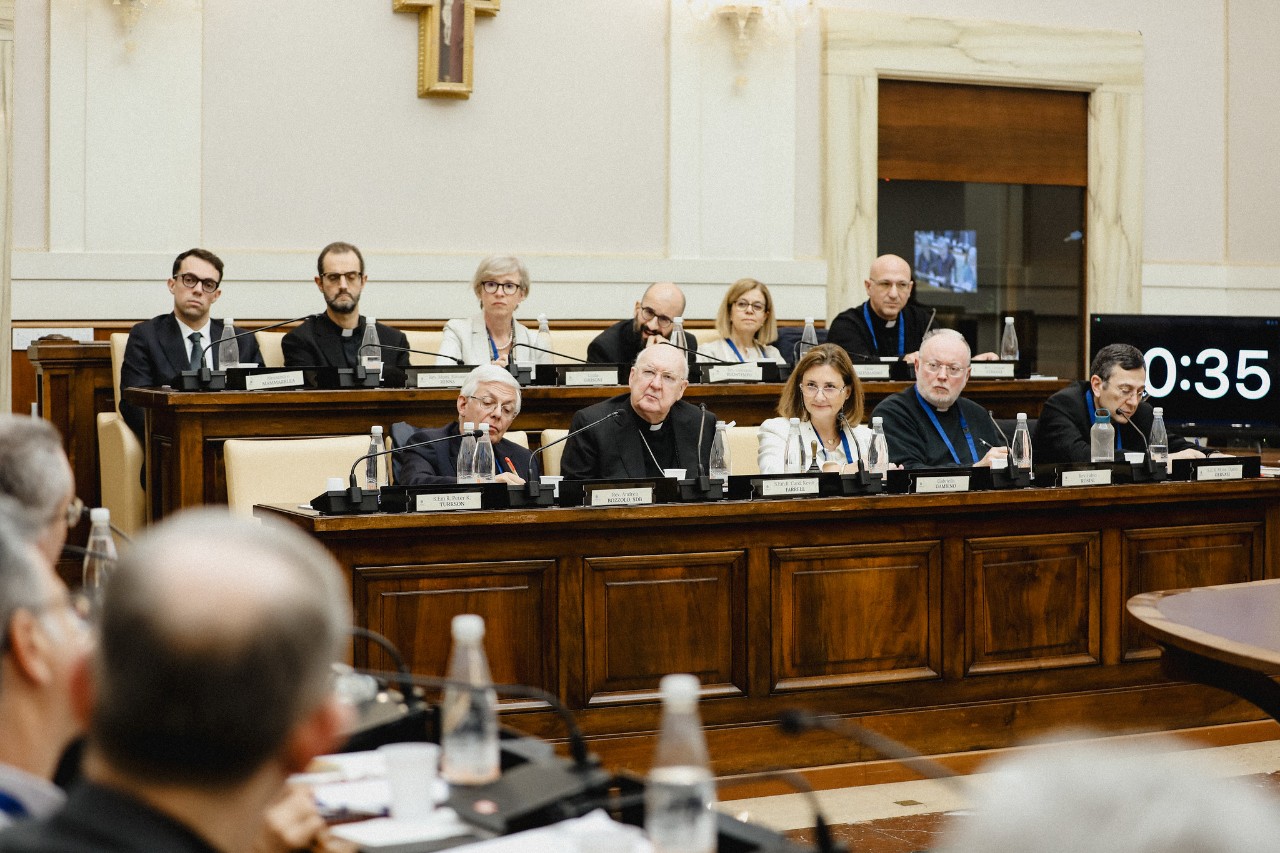
A study seminar dedicated to the relationship between marriage, faith and priestly formation took place on 28 April at the Casina Pio IV, with the aim of exploring an issue of growing relevance to the life of the Church in the context of the new evangelisation: how to form priests capable of accompanying young people, engaged couples and married couples in living Christian marriage as an authentic experience of faith within a cultural context marked by secularisation.
Organised by the Dicastery for the Laity, Family and Life, the study day entitled ‘The Sacrament of Marriage, Faith and munus docendi’ brought together 75 representatives of the Roman Curia, rectors, lecturers and formators from seminaries at the Vatican. The focus was on the relationship between marriage, faith and the formation of priests to enable them to nurture the faith of young people, engaged couples and married couples within a secularised cultural context.
Cardinal Kevin Farrell opened the works of the Day. Drawing on the experience gained over the last ten years through listening to bishops during their ad limina visits, he highlighted the need for ecclesial reflection based on two facts: the difficulty faced by priestly formation in fostering faith among young people and families and, in parallel, the growing fragility of families in passing on the faith to new generations.
The Prefect observed that whilst this awareness has given rise to a widespread sense of discouragement in many ecclesial circles in the face of the difficulties of family ministry, it can also provide an opportunity to rethink the Church’s pastoral action with greater clarity and renewed effectiveness.
In his address on ‘The Sacramentality of Marriage and Faith’, Fr Andrea Bozzolo, Rector of the Pontifical Salesian University, emphasised the urgent need to train pastors capable of guiding young people to celebrate marriage as an event of faith and not merely as a ritual or social obligation.
Bozzolo warned against the dual risk of reducing the sacrament to a predominantly legal-moral interpretation or, conversely, of interpreting the emotional experience exclusively in psychological terms, thereby losing the integral vision of human love as a theological context in which the mystery of God is revealed. From this perspective, marriage risks being perceived as a mere ratification of the couple’s relationship, without grasping its sacramental and transformative significance in the lives of the spouses.
In turn, Father Fabio Rosini, lecturer in Pastoral Theology and Homiletics at the Pontifical University of the Holy Cross, speaking on the theme ‘Faith and generativity from the perspective of the munus docendi and the sacrament of marriage’, drew attention to the need for priestly formation that truly equips future priests to practise a ‘pedagogy of faith’ within the context of a post-Christian culture.
Rosini emphasised that it is no longer sufficient to train priests who are merely capable of administering the sacraments or leading a community, unless they are simultaneously introduced to that pedagogy of faith which enables them to accompany genuine processes of Christian maturation. It is within this framework that the very heart of the munus docendi lies, understood as the ministry of generating and nurturing the faith.
Particular significance was attached to the novel nature of the initiative: for the first time, an attempt was made to foster ecclesial reflection by bringing into dialogue three concepts that are rarely addressed together in the formation of priests for family ministry: marriage, faith and munus docendi.
The discussion also revealed an awareness that one of the fundamental challenges lies in the fact that marriage is still too rarely conceived of and understood as an authentic ecclesial vocation – that is, a calling that can only fully mature in a Christian sense through faith and by drawing on the fruitfulness of the shared baptismal root.
Finally, the participants emphasised that the challenge now facing ecclesial reflection is to preserve and develop a genuinely interdisciplinary approach, one capable of avoiding the re-segregation of the three themes of reflection into watertight compartments (faith, munus, marriage). The issue of marriage, in fact, cannot be adequately addressed if separated from reflection on faith and from the Church’s task of proclamation and Christian formation.
The study day thus pointed to a pastoral and theological perspective: rediscovering marriage as a privileged place for the generation of faith and as a decisive space for the transmission of the Gospel in the present day.
29 April 2026
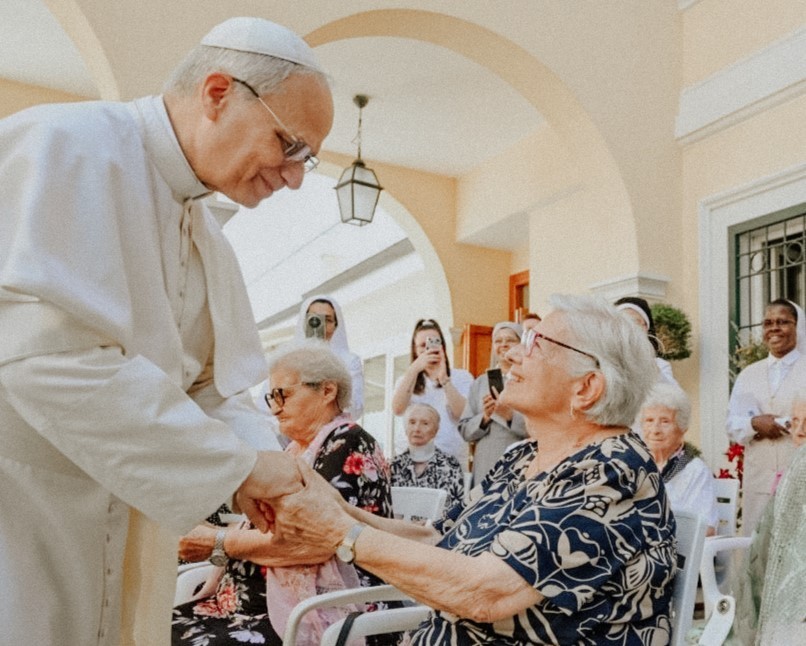
Pope Leo XIV’s Message on the occasion of the World Day for Grandparents and the Elderly
No one is forgotten by God. Pope Leo ...
Read all >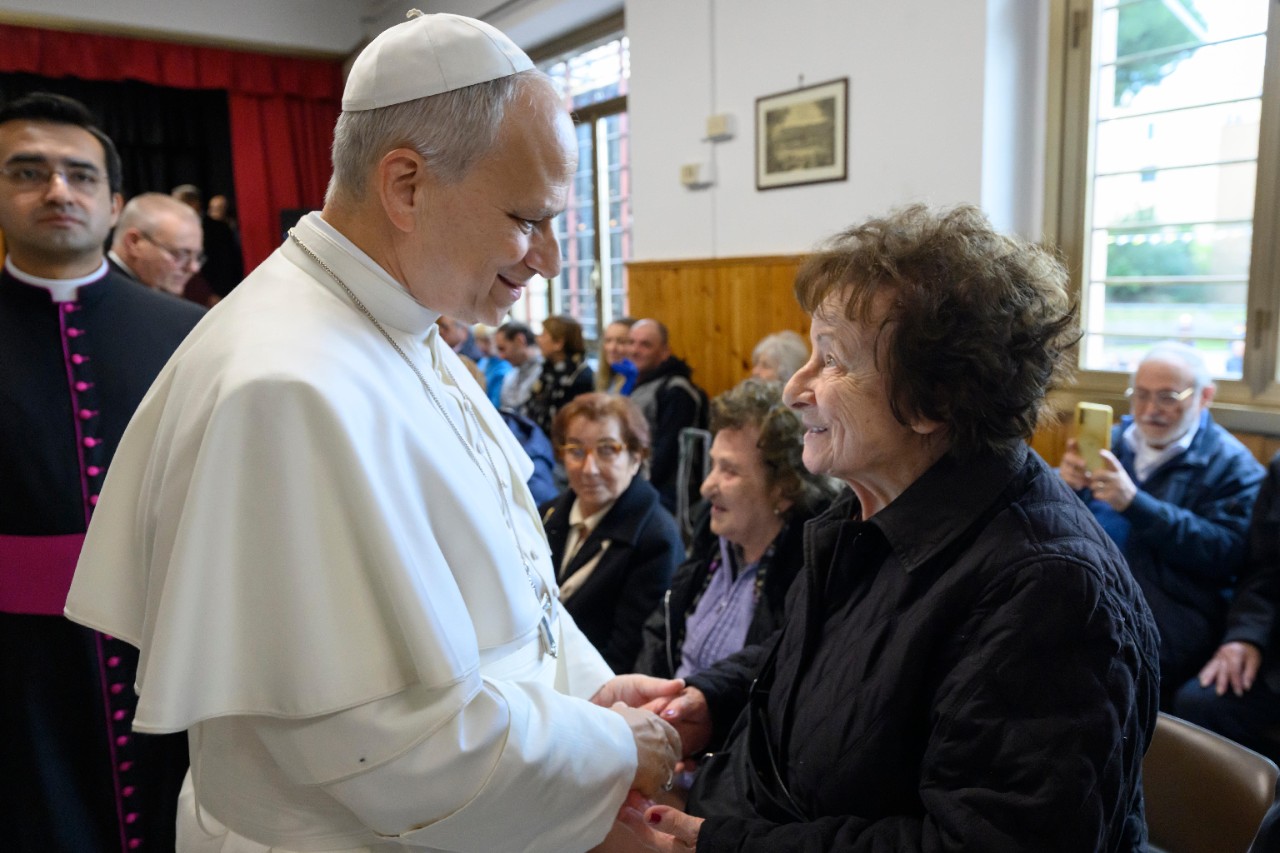
A Bridge Towards Heaven: The Magisterium of Fragility in a Time of Strength
On 10 June 2026, the study day entitled “A ...
Read all >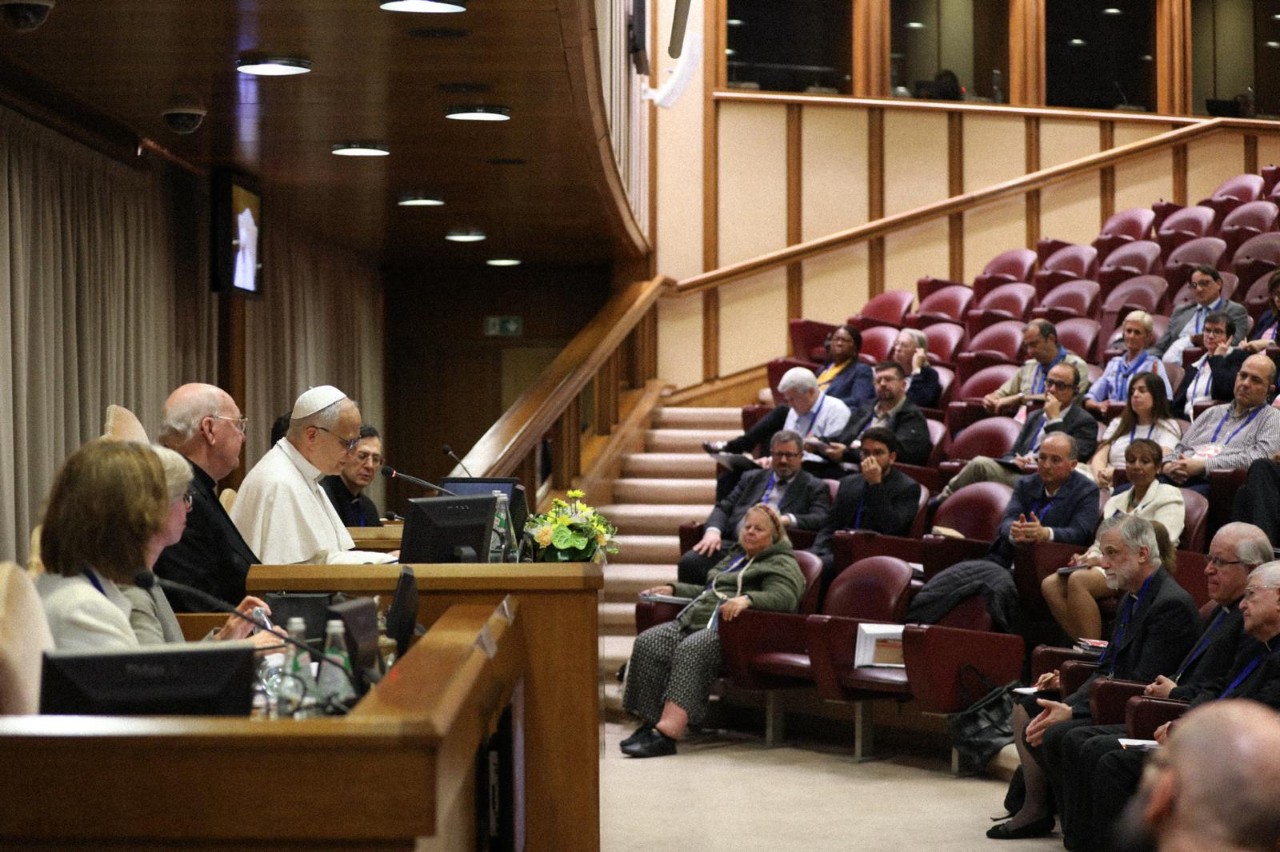
Annual Meeting with the Moderators of International Associations of the Faithful: the first day
Cardinal Kevin Farrell opened the Meeting, ...
Read all >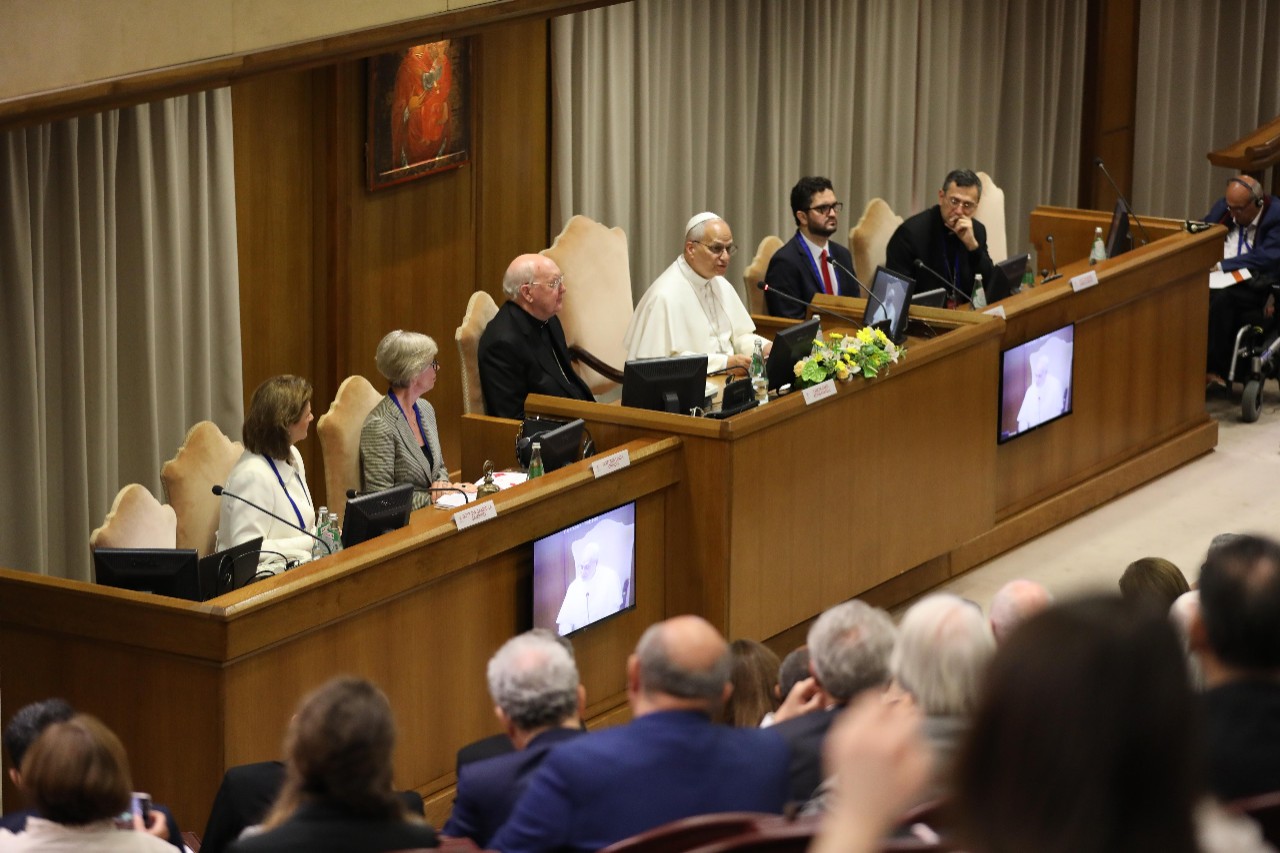
Cherish and nurture your gifts
Below is the Address given by the Holy ...
Read all >