
Elderly
A structured, non-occasional pastoral ministry for the elderly is possible
65 Episcopal Conferences connected online to discuss their current experiences
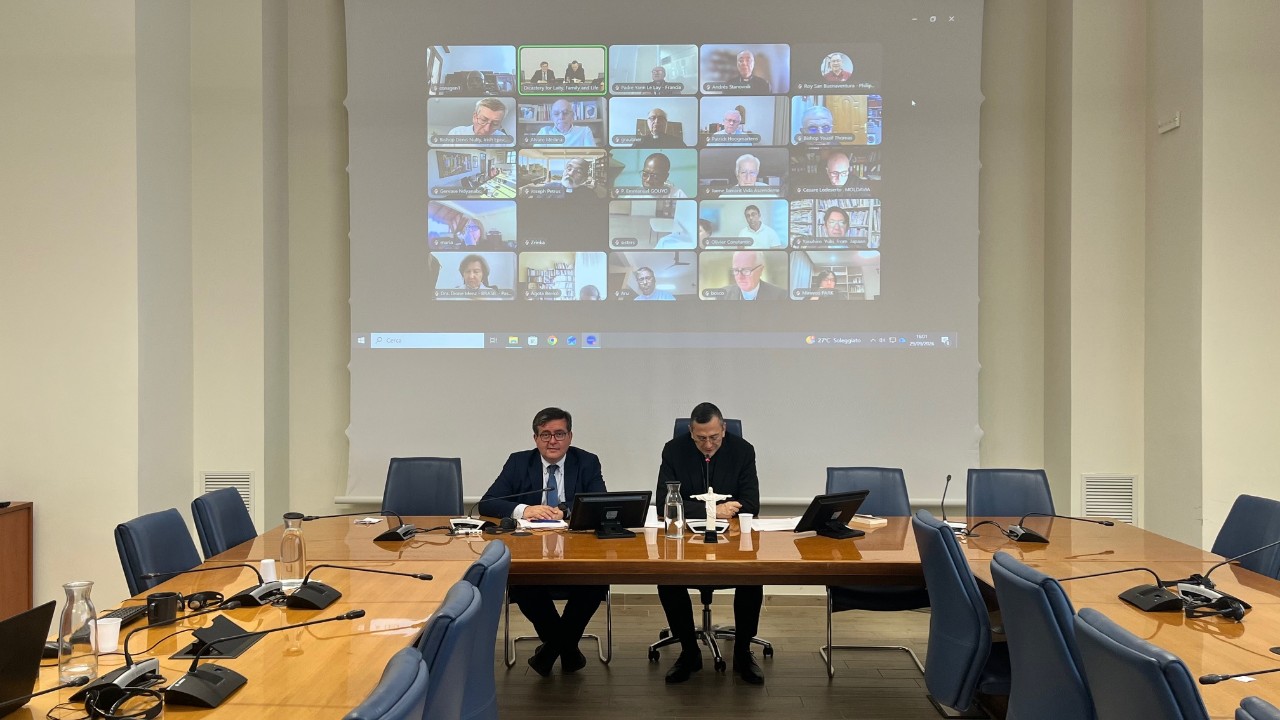
Pastoral care of the elderly is becoming an established part of the day-to-day life of dioceses and communities and can become a structured commitment everywhere, no longer reliant on one-off initiatives. “It can be done” was the message that emerged on 29 September from the International Meeting “Pastoral Care of the Elderly: Models, Best Practices, Contexts”, attended online by more than 100 representatives from 65 episcopal conferences around the world, including seventeen bishops and archbishops.
The proceedings were opened by His Excellency Monsignor Dario Gervasi, Adjunct Secretary of the Dicastery for Laity, Family and Life, who outlined the direction in which to continue the journey together with the episcopal conferences. The floor was then given to representatives from some contexts where this ministry is already well-established.
Comparing models: from Spain to Brazil to Uganda
The four models presented stem from very different contexts, but each points to a viable path forward.
In Spain, the pastoral care of the elderly forms part of the pastoral care of the laity and focuses on combating unwanted loneliness and on supporting the new generation of adults as they grow older. In the Diocese of Getafe, for example, the ‘Plan Rut’ sends volunteers to care homes, where one in five residents receives almost no visitors. In Brazil, the strength lies in its widespread reach: 20,000 volunteers, present in around 2,000 parishes, carry out 1.2 million home visits every year. In Kampala, Uganda, the archdiocesan department established in 2024 is active in almost all parishes, with leaders chosen from among the elderly themselves. Finally, Vie Montante Internationale focuses on community life, comprising small groups, friendship and prayer, and identifies the transmission of the faith to the younger generations as one of its main challenges.
‘We do not intend to propose a single model, nor a solution that can be applied in the same way in every particular Church,’ clarified Monsignor Gervasi, recalling that every local Church is called to careful pastoral discernment. ‘The essential point is that it can be done.’ No one, therefore, can any longer consider pastoral care specifically aimed at the elderly to be impracticable.
The debate brought other experiences to light. These included the ‘Merci Marie’ home in Iraqi Kurdistan, pastoral care in prisons in the Philippines, and the Church’s commitment in Cameroon to combating the abandonment of the elderly, who are sometimes accused of witchcraft.
The response to transhumanism: within one’s limitations, the human being flourishes and opens themselves to God
Bishop Gervasi placed the meeting within the context of the reflection initiated by Pope Leo XIV in Magnifica Humanitas, in which he proposes an alternative vision to the excesses of transhumanism and posthumanism, which view limitation as a defect to be eliminated. ‘Human beings do not flourish in spite of their limitations, but often through them,’ he recalled, quoting from the text.
The elderly, therefore, are not merely recipients of care, but active participants, capable of bearing witness to the Church community about what is essential, because ‘it is precisely in the frailty of the elderly that the magnificence of humanity shines forth’.
06 October 2026
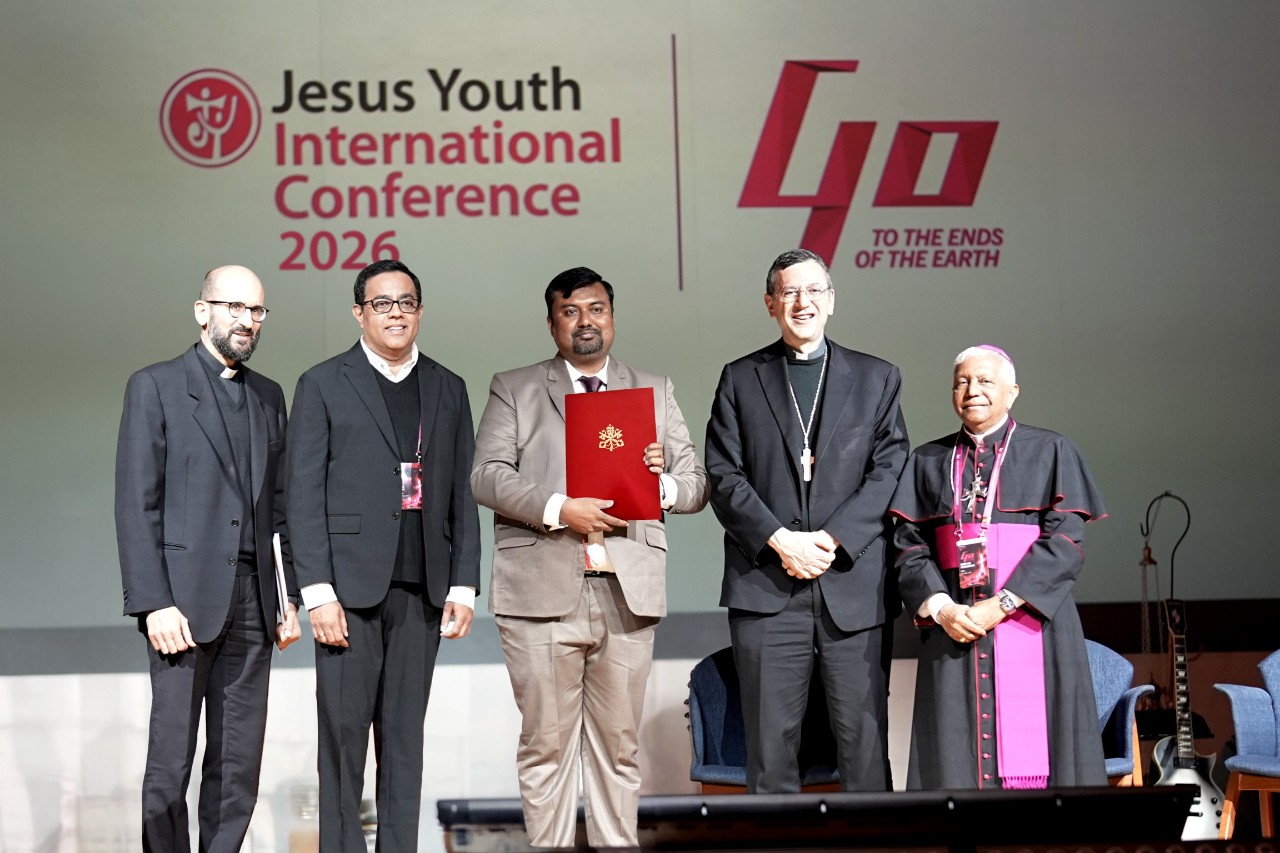
Jesus Youth: definitive Statutes approved and Audience with Pope Leo XIV
The International Conference of the ...
Read all >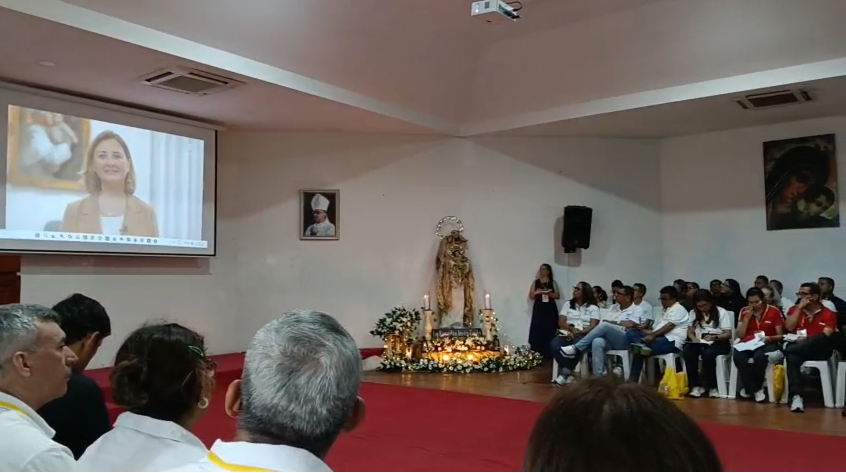
The art of accompanying married couples: the 2026 National Family Ministry Meeting in Colombia
The National Family Ministry Meeting is ...
Read all >
Synodality is not a theory, but a living force for mission
The International Conference ...
Read all >
10 Years of Amoris Laetitia: sharing the Gospel and the Beauty of the Family with Younger Generations
Yesterday afternoon, Wednesday, ...
Read all >